London Fashion Week occupies the middle ground of the September sprint, and it does so with the irreverent, genre-bending spirit that has defined British fashion for generations. From 17 to 21 September, the British Fashion Council’s provisional schedule gathers an ecumenical mix of heritage houses and radical newcomers under the grey-and-gold skies of the capital. The venues are as eclectic as the designers: the neoclassical grandeur of the British Fashion Council’s headquarters, the brutalist concrete of the Barbican, and the storied halls of Somerset House all play host. This season, London leans into its role as the industry’s laboratory—where gender fluidity meets Savile Row precision, where sustainability is not a slogan but a structural principle, and where the unexpected is the only expectation. The shows are shorter, sharper, and more intimate than their New York counterparts, yet they ripple with a conceptual ambition that can only come from a city that has always done fashion differently. By the time the last model exits on Monday evening, London has once again reminded the world that true style is born of creative courage, not commercial calculation.
Milan Fashion Week is the undisputed cathedral of Italian craft, and the September 2026 edition—running from 22 to 28 September—promises to be a masterclass in the marriage of art and industry. The Camera Nazionale della Moda Italiana has unveiled a provisional calendar that opens with Prada and closes with the debut of Miguel Vieira, a signal that Milan is both honouring its dynasties and embracing fresh voices. On 23 September, the city will host an opening gala dinner at Palazzo Reale—a glittering overture to six days of shows that traverse the historic courtyards of the Brera district and the futuristic glass of the CityLife complex. Italian fashion has always been about more than clothing; it is about a way of life, a devotion to materiality, and a belief that beauty is a public good. This season, the collections are expected to reflect a post-pandemic recalibration—sensual, tactile, and defiantly optimistic. From the meticulous pleating of the ateliers to the booming bass of the after-parties, Milan in late September is a sensory overload of the highest order. The world’s buyers, editors, and influencers descend not merely to watch but to participate in a ritual that has remained remarkably unchanged in its essence for over half a century.
Paris Fashion Week is the grand finale of the Big Four—and it is, without question, the most anticipated stop on the global fashion calendar. From 28 September to 6 October, the French capital becomes the epicentre of the sartorial universe, hosting the final and most prestigious leg of the womenswear shows. The Fédération de la Haute Couture et de la Mode has released a provisional schedule that reads like a who’s-who of fashion royalty: the grand houses of the Champs-Élysées, the avant-garde collectives of the Marais, and the rising stars of the 10th arrondissement all compete for attention under the gilded light of Parisian autumn. This season, the city will witness the return of Valentino and Maison Margiela to the official calendar—a development that has sent ripples of excitement through the industry. The shows are not merely presentations; they are theatrical productions, complete with elaborate sets, immersive soundscapes, and the kind of star-studded front rows that generate headlines across five continents. Paris does not just show clothes; it consecrates them. By the time the final collection walks on 6 October, the fashion world will have absorbed six weeks of creativity, commerce, and sheer spectacle—and Paris, as always, will have delivered the most memorable epilogue.
Lisboa Fashion Week, scheduled from 7 to 11 October 2026, offers a distinctly Mediterranean take on the season’s trends. Held against the backdrop of Lisbon’s sun-drenched hills and historic waterfront, the event is a celebration of Portuguese design—known for its rich textiles, intricate embroidery, and a colour palette inspired by the Atlantic coast. The shows take place in a mix of contemporary venues and historic palaces, creating a dialogue between Portugal’s storied past and its vibrant present. This fashion week has gained a reputation as a launchpad for some of Europe’s most exciting emerging talents, offering a platform for designers who prioritise sustainability, artisanal techniques, and a sense of place. For the international fashion community, Lisboa Fashion Week is a hidden gem—a more intimate, more personal counterpoint to the corporate machinery of the Big Four, where creativity still feels like the primary currency.
As the Big Four winds down, Shanghai Fashion Week steps into the spotlight, running from approximately 8 to 16 October 2026. This is Asia’s most dynamic fashion event—a sprawling, multi-venue extravaganza that showcases the extraordinary creativity of Chinese designers alongside international brands eager to tap into the world’s most influential luxury market. The shows are held across the city’s most avant-garde spaces: the industrial cool of the West Bund, the futuristic glass towers of the Pudong district, and the historic lane houses of the French Concession. Shanghai Fashion Week is a reflection of the city itself: hyper-modern, deeply rooted in tradition, and relentlessly forward-looking. The collections here often set the tone for the Asian market, blending Eastern aesthetics with Western tailoring in ways that feel both fresh and timeless. For global fashion executives, Shanghai is an indispensable stop—not just for the shows, but for the energy, the networking, and the glimpse into a future where the centre of gravity of the fashion world continues to shift eastward.
Miami Fashion Week, scheduled from 13 to 17 October 2026, brings a splash of tropical glamour to the autumn calendar. Set against the city’s iconic Art Deco skyline and sun-drenched beaches, this event is a celebration of resort wear, swimwear, and the laid-back luxury that defines the Miami aesthetic. The shows are held in a variety of stunning locations—from oceanfront poolsides to the sleek galleries of the Wynwood Arts District—and attract a glamorous crowd of international buyers, celebrities, and influencers. The collections are characterised by bold prints, vibrant colours, and a sense of effortless sensuality that captures the spirit of the city. Miami Fashion Week has also become a platform for Latin American designers, offering a bridge between the fashion scenes of North and South America. It is a vibrant, sun-soaked interlude in the more formal proceedings of the European shows, reminding the industry that fashion can be both serious and seriously fun.
São Paulo Fashion Week, running from approximately 13 to 18 October 2026, is the most important fashion event in Latin America. Held in Brazil’s largest city, this week-long extravaganza showcases the extraordinary creativity and diversity of Brazilian design—from the favela-inspired streetwear of emerging talents to the sophisticated tailoring of established houses. The shows are held across São Paulo’s most iconic venues, including the sprawling Ibirapuera Park and the city’s cutting-edge cultural centres. The collections are a riot of colour, texture, and energy, reflecting Brazil’s rich cultural heritage and its vibrant contemporary scene. Sustainability and social responsibility are central themes, with many designers championing ethical production methods and inclusive casting. São Paulo Fashion Week has become a vital platform for South American talent, attracting increasing attention from international buyers and media who recognise the region’s growing influence on global fashion trends.
Bucharest Fashion Week, scheduled from 14 to 17 October 2026, brings Eastern European flair to the autumn calendar. The Romanian capital’s event is a celebration of the region’s burgeoning fashion scene—a vibrant mix of established designers and daring newcomers who draw inspiration from the country’s rich folk traditions, its complex history, and its dynamic contemporary culture. The shows are held across Bucharest’s most atmospheric venues, from grand belle-époque salons to repurposed industrial spaces. The collections often feature intricate hand-embroidery, bold geometric patterns, and a dramatic, theatrical sensibility that sets them apart from the more restrained aesthetics of Western Europe. Bucharest Fashion Week has become a crucial platform for designers seeking to break into the international market, offering a unique blend of heritage and avant-garde that captures the spirit of a region in transformation.
Taipei Fashion Week, taking place from 15 to 18 October 2026, is a rising star in the Asian fashion calendar. This compact but intense event showcases the best of Taiwanese design—a scene that marries technical precision with a playful, often subversive sensibility. The shows are held in some of Taipei’s most iconic locations, from the soaring Taipei 101 to the historic Songshan Cultural and Creative Park. The collections are known for their experimental silhouettes, innovative fabric treatments, and a fearless approach to colour and pattern. Taipei Fashion Week is also notable for its commitment to sustainability, with many designers incorporating upcycled materials and zero-waste techniques into their collections. For international editors and buyers, Taipei offers a fresh perspective—a window into a fashion scene that is both deeply connected to its cultural roots and eagerly engaging with the global conversation.
Los Angeles Fashion Week, returning from 16 to 18 October 2026 at The Lot Studios in West Hollywood, embodies the relaxed glamour and creative energy of the West Coast. Produced by The Bureau Fashion Week, this compact but influential event showcases over 50 designers across multiple runway shows, headlined by names like Giannina Azar, Pia Bolte, Michael Ngo, and Diana Couture. The Lot Studios, a historic film production facility, provides a cinematic backdrop that perfectly suits LA’s fashion scene—a world where red-carpet glamour meets street-style ease. The collections here are characterised by their wearability, their focus on the California lifestyle, and their embrace of diversity and inclusivity. Los Angeles Fashion Week has carved out a unique niche in the global calendar, offering a distinctly American alternative to the European shows—one that is less formal, more accessible, and deeply connected to the entertainment industry that defines the city. For designers, buyers, and editors, LA Fashion Week is a refreshing final stop on the October circuit, a place where the future of fashion feels a little more democratic and a lot more fun.
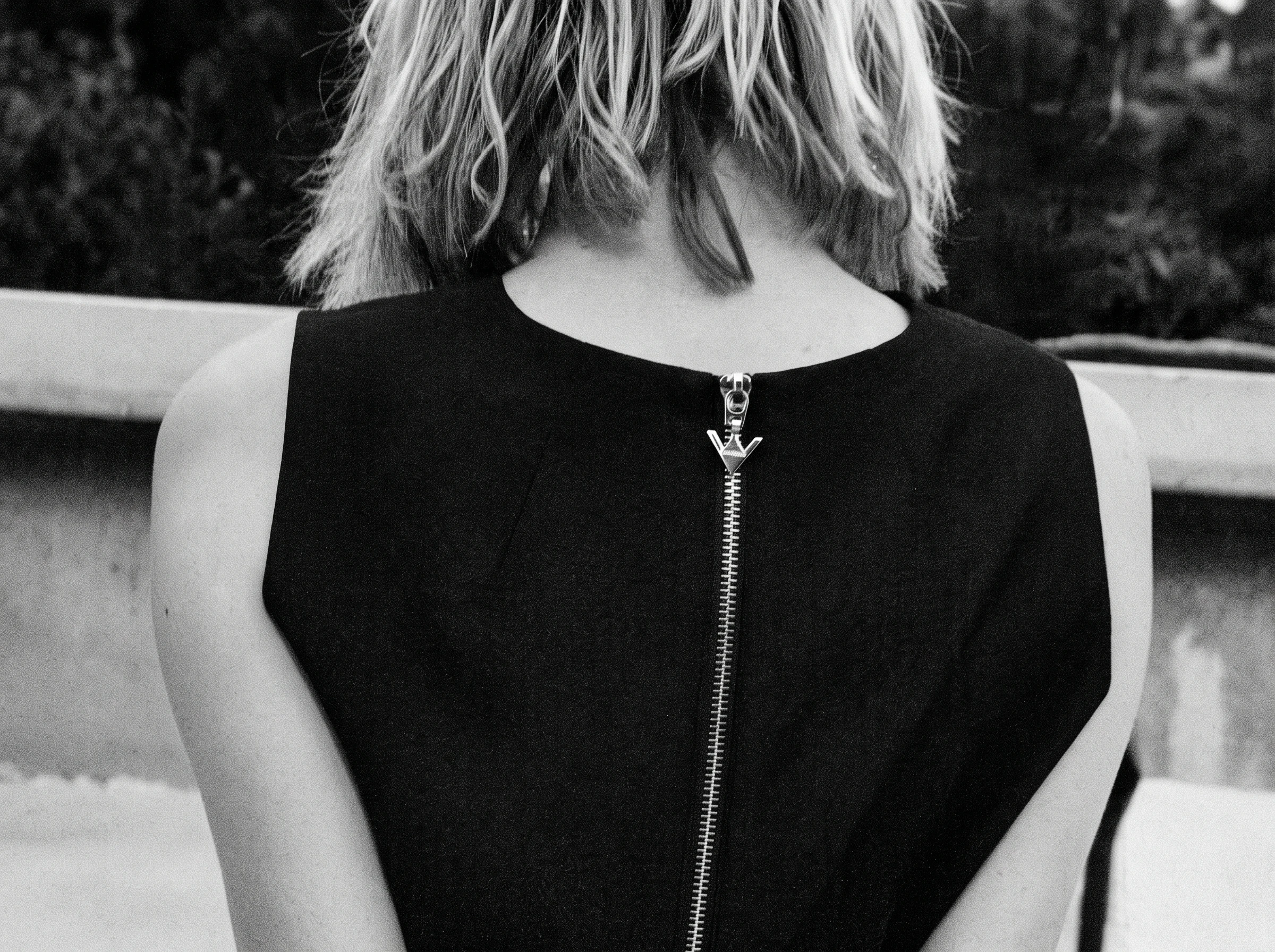
Image: Fabrique x Vera Wang